

Our services stay consistent across sectors — what changes is the contamination risk and what’s at stake when it goes undetected.

Contamination doesn’t behave the same way in every industry. In some, a single particle can trigger a warranty claim. In others, it can bring down an entire assembly line. At COTA, we understand the specific challenges each sector faces and adapt our technical cleanliness evaluation accordingly — so you get analysis that’s relevant, actionable, and aligned with what your customers actually require.
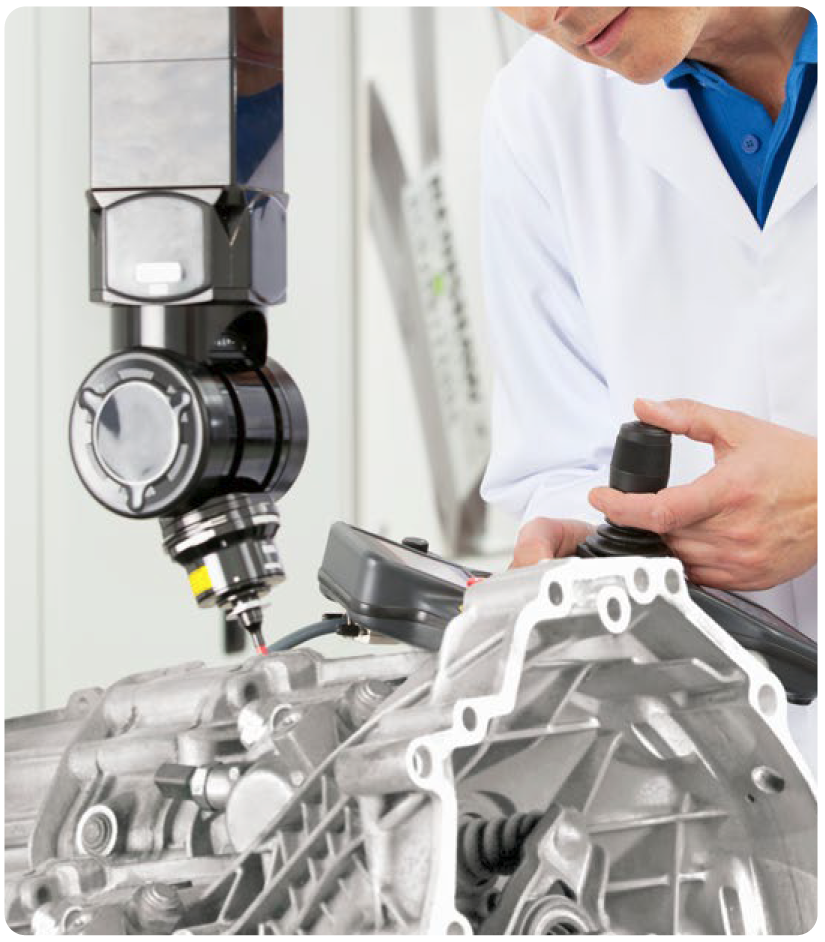
Meeting OEM Cleanliness Requirements at Every Tie
In the automotive supply chain, cleanliness failures don’t stay contained — they travel upstream and downstream, affecting assembly quality, warranty performance, and customer relationships. Whether you’re a Tier 1, Tier 2, or Tier 3 supplier, your components are expected to meet strict particulate limits defined by your customer.
We support automotive suppliers in:
Where a Single Particle Can Compromise System Performance
Hydraulic systems are particularly vulnerable to particulate contamination. Valves, pumps, and actuators operate under high pressure with tight tolerances — and even small particles can cause sealing failures, accelerated wear, or complete system breakdown.
We help hydraulic component manufacturers:
Contamination in a hydraulic system isn’t just a quality issue — it’s a reliability and safety issue.
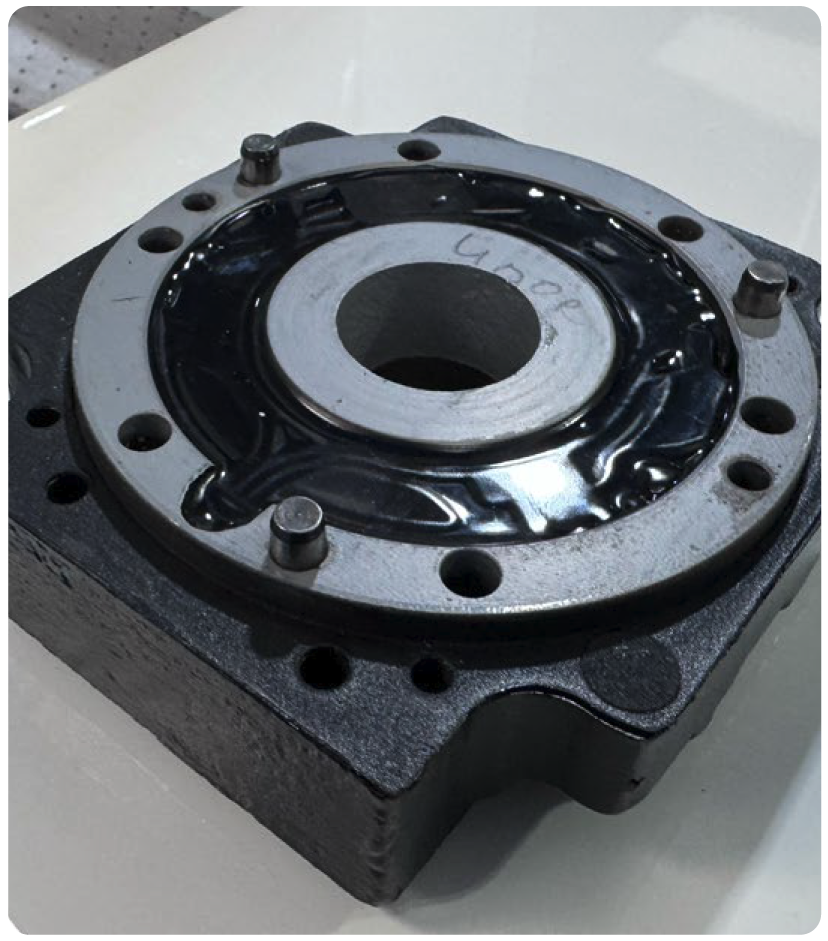
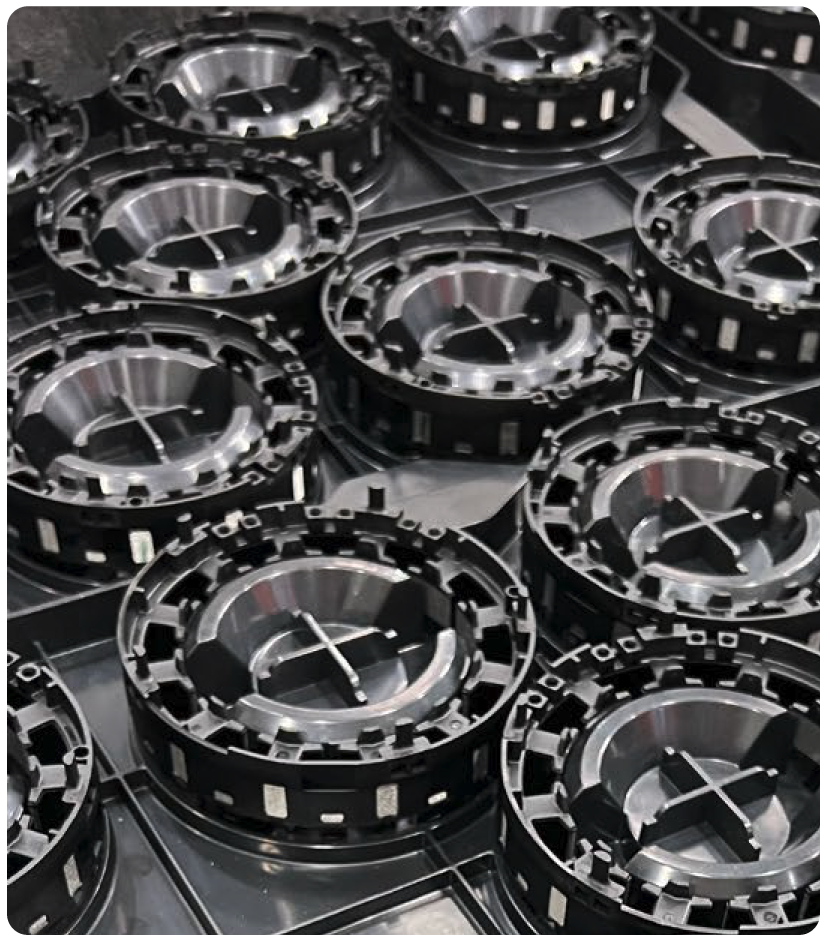
When Tolerances Are Tight, Cleanliness Can’t Be an Afterthought
In precision machining and manufacturing, particles introduced during production — from cutting, handling, or assembly — can affect final dimensions, surface finish, and fit. Many precision manufacturers don’t evaluate contamination systematically until a downstream quality issue forces them to look upstream.
We support precision manufacturers by:
Knowing your contamination baseline is the first step to controlling it.
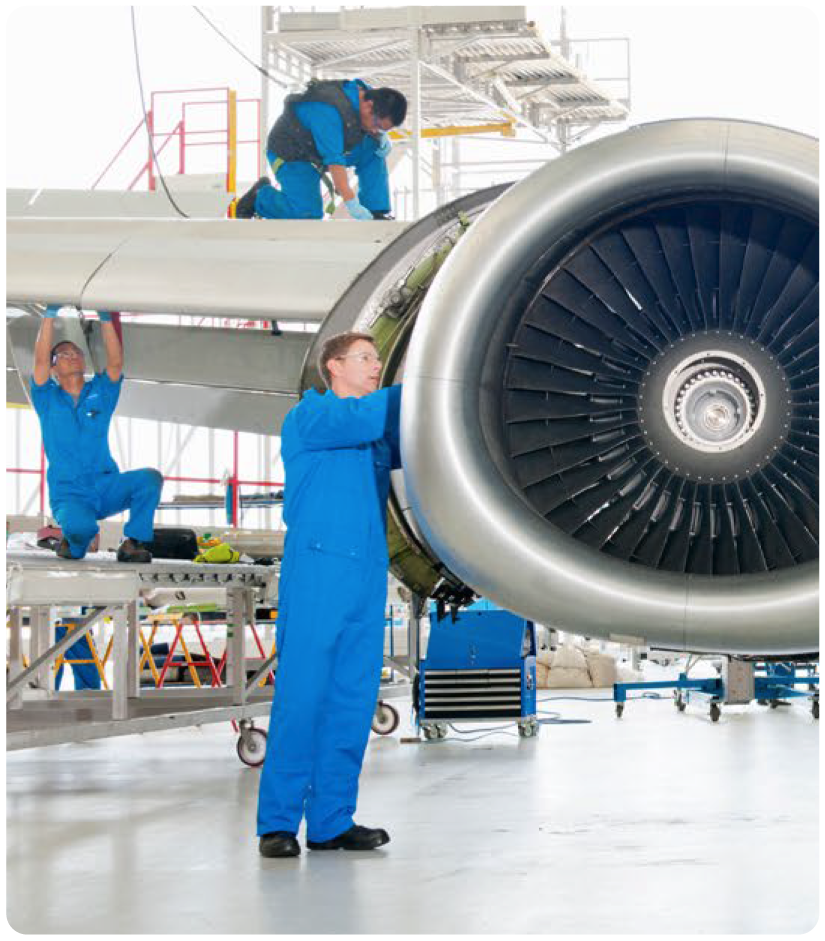
No Margin for Contamination in Critical Systems
In aerospace, cleanliness requirements exist because failure is not an option. Components used in flight-critical systems, fuel management, or actuation mechanisms are subject to strict cleanliness standards — and any deviation must be documented, understood, and resolved.
We support aerospace manufacturers and suppliers in:
We bring the same rigor to aerospace analysis that the industry demands of its components.
Protecting the Performance of Sensitive Components
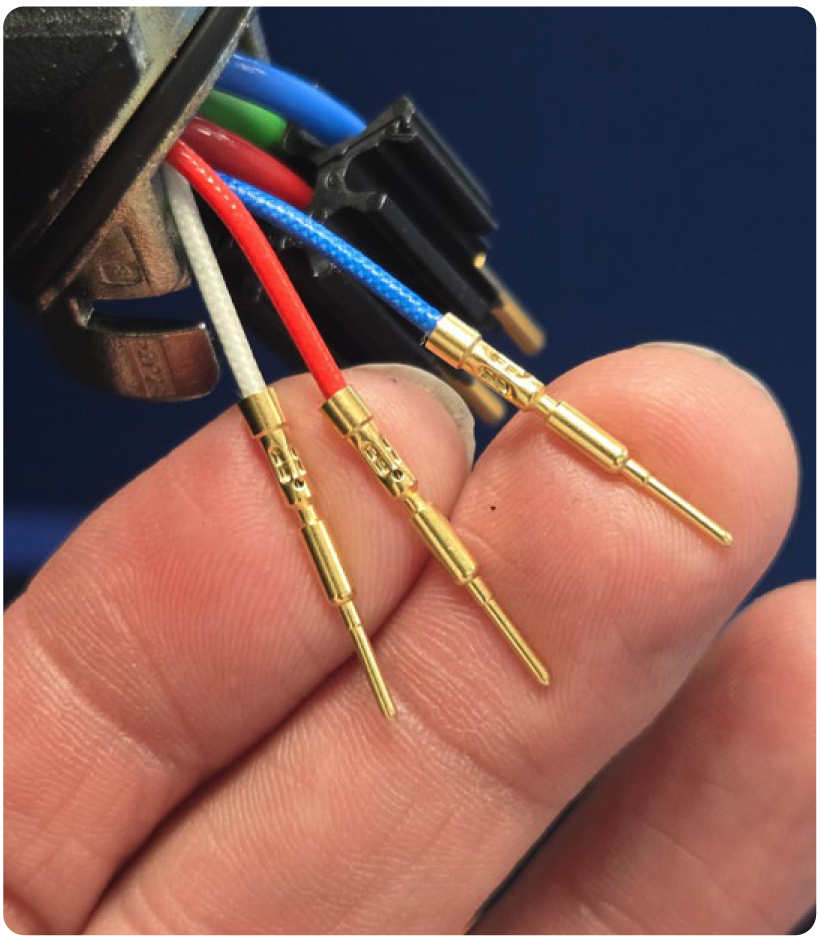
In electronics manufacturing, contamination can cause short circuits, connection failures, or latent defects that only appear after the product reaches the end user. As components become smaller and circuits more dense, the impact of even microscopic particles increases.
We help electronics manufacturers:
Contamination control in electronics is a reliability investment, not just a compliance exercise.
Already Running a Lab? We Help You Run It Better
For companies that have internalized their cleanliness testing, the challenge shifts from doing the analysis to ensuring it’s done right — consistently, repeatably, and in alignment with international standards. Method drift, blank value issues, or equipment performance gaps can quietly compromise your results without triggering an obvious failure.
We support in-house technical cleanliness labs by:
A lab that delivers reliable results is more than a room full of equipment — it requires the right methods, trained people, and well-maintained instruments.
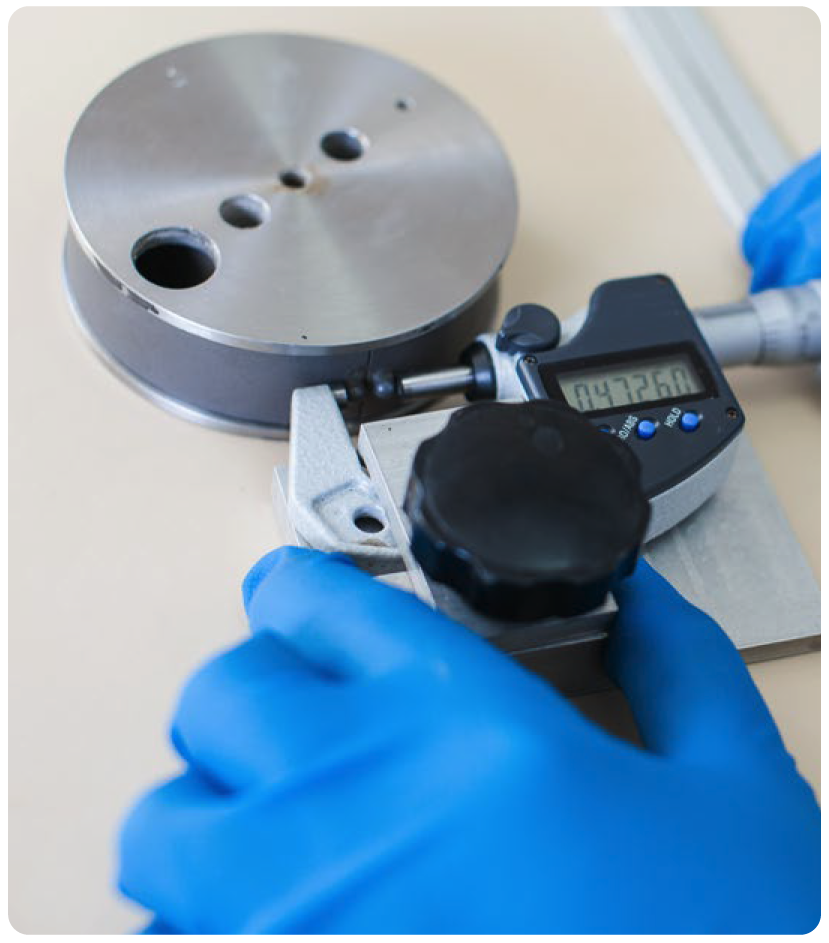
Technical cleanliness challenges exist beyond the sectors above. If you manufacture components where particulate contamination affects performance, compliance, or customer requirements — we can help. Contact us to discuss your specific situation.